Ultimate Bio Writing Guide for Artists: Five Versions You Need

When it comes time to write your bio, most people struggle — especially incredibly accomplished artists like yourself. You stare at the blank page, trying to summarize your career without sounding braggadocious.
If you’re constantly getting emails asking for you bio, and you tend to revisit and revise different versions every time someone asks… give this a go instead!
While you’ll need to set aside some writing and editing time (creatively composing and arranging all you’ve done), the goal is a definitive set of bios. In simple terms, you’re creating different sizes and formats: small to large, text to visuals, third person to first person.
But the good news? Once completed, these can live on your website (usually in a semi-private area called an EPK or Press Kit) so you and your team aren't manually fulfilling photo and bio requests every other week.
As your star rises, this becomes necessary. Rather than creating a new bio everytime you’re asked, the more efficient approach is to prepare different versions, then update them as needed.
Here are the five versions you need, in the order you should create them:
Full Biography (Write This First)
Short Bio (Official Intro)
Medium Bios (Specific Contexts or Requirements)
Visual Biography (Show Us, Don't Tell Us)
Social Media Bio (Credibility + Personality)

1.Full Biography → Write This First!
I know it’s painful, so let’s make it easier. Think of this as a creative writing exercise or a spiritual excavation. What are the big important moments and silly small details that have defined you?
Start with bullet points:
Born in ____
Graduated from _____
Early credits include ______
Then, think of creating an encyclopedia version. It should be pretty boring — just stating the facts. Here's an example:
Jane Doe is a Korean-American writer and actor. Born in Reno, Nevada, she attended Fictional High School and went on to receive her B.F.A. in Theatre at Fictional University.
Perhaps you did pageants, competed on a dance team, started piano lessons at age X, or graduated Summa Cum Laude. There may be elements of your youth or early career you feel are irrelevant, but consider including these details as they might spark an interest in the reader.
Eventually, I want you to put it into “previews” and test it out with an audience. Share your draft with a trusted contact and see what they respond to. (Secret: we want strangers reading this to KNOW, LIKE, and TRUST you. But we went to drama school… so we raise the stakes! What little details will make them LOVE you?!)
Once you've laid out all of the facts in a boring and linear way (including where you are today), duplicate the document and begin to shape it. Similar to how news stations can report the same story in different ways... choose your slant. Add your unique voice, creative POV, or PR spin.
Some markets, particularly artists in opera and literary worlds, tend to use a bit more of what we call puffery: lots of glowing adjectives, rather than just stating the facts. My personal preference is modeling Wikipedia — just the facts, loosely chronological and grouped by category. I've heard the same from casting directors. Try not to get too creative.
Also, try not to agonize over this because I’m sorry to say… most people won't read it. That's fine. This version lives in your press kit for the robots and the researchers (search engines, Wikipedia editors, journalists, and fans doing deep research).
Make the time to write out your life story thus far. You can't edit what doesn't exist, and you can't summarize what you haven't fully articulated. Create your full biography before moving ahead.
Born in ____
Graduated from _____
Credits include ______
Currently resides in _____
2. Short Bio → your Official Intro
Now, we want to create a super short summary — a one-paragraph bio.
As a former podcast host (currently dormant, but potentially revived…), the idea is to help press and media contacts to be able to swipe something from your website. Save everyone time by pre-writing out how we can introduce you! This is what others copy-paste into their marketing and what you email when someone says "send me your bio."
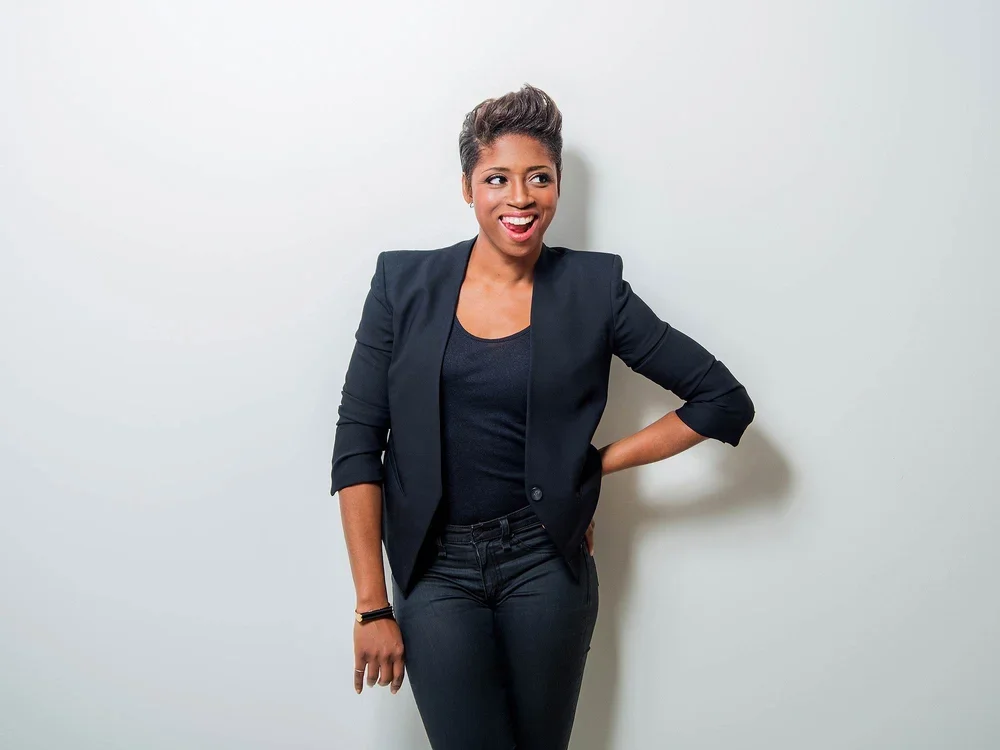
Clients like Montego Glover have told me that, with this published version on their site, this is verbatim what the press and media use to introduce them.
Here are two examples worth studying and modeling…
-
Montego Glover is an award-winning actress in theatre, film, and television.
A Tony Award Nominee for the role of Felicia Farrell in Memphis, she has also received honors for her work in new plays. Glover's talent extends to television, film, concerts, commercials, gaming, animation, and scripted audio projects. Beyond her artistic endeavors, Glover is actively involved in arts advocacy, earth preservation & conservation, as well as artist committees at leading theatre institutions around the country.
Glover is based in New York City. Learn more at MontegoGlover.com
-
Montego Glover is an award-winning actress in theatre, film, and television.
Born in Macon, Georgia and raised in Chattanooga, Tennessee, Montego is a graduate of Florida State University with a BFA in Music Theatre. She made her Broadway debut in the original Broadway production of The Color Purple in the roles of Celie & Nettie.
She created the role of Felicia Farrell in the Broadway hit musical Memphis and received a Tony Award Nomination for Lead Actress in a Musical as well as a Drama League Nomination and won both the Outer Critics’ Circle Award and the Drama Desk Award for her performance. Montego won a second Drama Desk Award (Outstanding Ensemble) for her critically acclaimed run as Nina in the New York debut of The Royale at Lincoln Center Theater. And a special Outer Critics’ Circle Honor for the role of Ovetta in All The Natalie Portmans, a new play produced by MCC Theater making its New York debut.
She created the role of Annie Shepard in the new musical comedy It Shoulda Been You, starred in the most recent Broadway revival of Les Misérables as Fantine, and Angelica Schuyler in the Chicago Company of Hamilton.
Montego enjoyed a thrilling run as The Witch in the smash hit revival of Into The Woods on Broadway as well as its Selected Engagements across the US. Followed by a Sold Out evening of Gershwin at Carnegie Hall with the illustrious New York Pops entitled “Jazz, Love & Gershwin: A Century of Rhapsody In Blue”.
Most recently, Montego is took on the role of Mama Rose in the award winning & critically acclaimed Broadway revival of Gypsy. Alternating the role with Audra McDonald .
While based in New York, Montego has been privileged to travel to numerous esteemed theatre companies around the country including The Ahmanson Theatre, La Jolla Playhouse, The Old Globe, Lincoln Center Theater, The Huntington Theatre, Seattle’s 5th Avenue Theatre, and the Geffen Playhouse. The productions have been as varied as the locations: Aida (4 productions in the role of Aida, IRNE Award-Best Actress in a Musical), Ragtime (2 productions in the role of Sarah), Dreamgirls (Lorrell), She Loves Me (Ms. Ritter), Oklahoma! (Ado Annie), A Midsummer Night’s Dream (Hermia), West Side Story (Anita), Jesus Christ Superstar (Mary Magdalene), Once On This Island (TiMoune, Helen Hayes Award Nomination), and The Royale (Nina, Craig Noel Award Nomination) among others.
Travel has also given Montego an impressive list of credits in Concert work. She has been a Guest Artist with the New York Pops at Carnegie Hall, Jazz at Lincoln Center, New York City Center, National Symphony Orchestra in Washington DC, Philadelphia Orchestra, Toronto Symphony Orchestra, Atlanta Symphony Orchestra, Indianapolis Symphony Orchestra, Jacksonville Symphony, Caramoor Music Festival, the Smith Center in Las Vegas, Calgary Philharmonic, Sun Valley Summer Symphony Orchestra, Houston Symphony, Edmonton Symphony Orchestra, Dayton Philharmonic, Vancouver Symphony Orchestra, Cincinnati Symphony Orchestra. Most recently, Montego made her debut with the Chicago Symphony at Ravinia.
While thriving in the theatre and concert work Montego also spends time in television, film and commercials. Most recently appearing on Netflix's Inventing Anna and NBC's The Blacklist, as well as Bull, Evil, Black Box, The Following, Hostages, Smash, Golden Boy, The Good Wife, White Collar, NYC 22, Law & Order, and Made In Jersey, in addition to several award-winning programs for PBS including Memphis on Broadway. Montego’s numerous commercial campaigns include Stella Artois, AT&T, Campbell’s Soup, Chase, Samsung, Verizon, Charmin, Subway, Nickelodeon, McDonald’s, and Fruit of the Loom. Montego has not been limited to voicing for products and networks, she has also lent her voice to video gaming, animation, scripted audio, and narration. Gaming projects include: Battlefront, Renegade Squadron, and The Old Republic all for the Star Wars franchise. Fans of the Rebel Girls book series can hear Montego on Goodnight Night Stories for Rebel Girls: 100 Real-Life Tales Of Black Girl Magic for Audible. Scripted audio projects include Holiday Greetings from Sugar & Booze, also on Audible. In the world of animation, she can be heard voicing characters for Dora the Explorer and Go Diego Go, as well as the highly acclaimed animated feature film Entergalactic for Netflix. Most recently, Montego joined Season 3 of the hit animated series Alma’s Way for PBS Kids.
Montego has served on the Artists’ Committee for the Kennedy Center Honors and Lincoln Center Theatre. She is a New York Pops PopsEd Ambassador and was recently named to the Inaugural Advisory Council of the Broadway Green Alliance.
Montego is currently enjoying residencies in three museums. She is included in the historic Museum Of Broadway, located in the Theatre District in New York City. In June 2025, the "MONTEGO GLOVER EXHIBITION" celebrated its third anniversary at the Bessie Smith Cultural Center & African American Museum in Montego's hometown of Chattanooga, Tennessee. Montego is also a permanent Principal Artist in the Library Of Congress.
Photo: Brent Dundore
Truth be told, I got inspired with this short bio/intro from my future client, Lin-Manuel Miranda:

-
A Pulitzer Prize, Grammy, Emmy, Tony Award-winning songwriter, actor, producer and director, Lin-Manuel is the creator and original star of Broadway’s Hamilton and In the Heights, and the recipient of the 2015 MacArthur Foundation Award and 2018 Kennedy Center Honors. Mr. Miranda, and The Miranda Family, are active supporters of initiatives that increase the representation of people of color throughout the arts and government, ensure access to women’s reproductive health, and promote resilience in Puerto Rico. He lives with his family in New York.
-
Too long to include here! But you can download the PDF from LinManuel.com/about.
3. Medium Bios (For Specific Contexts)
If you need medium-sized bios, think about the different purposes they'll serve.
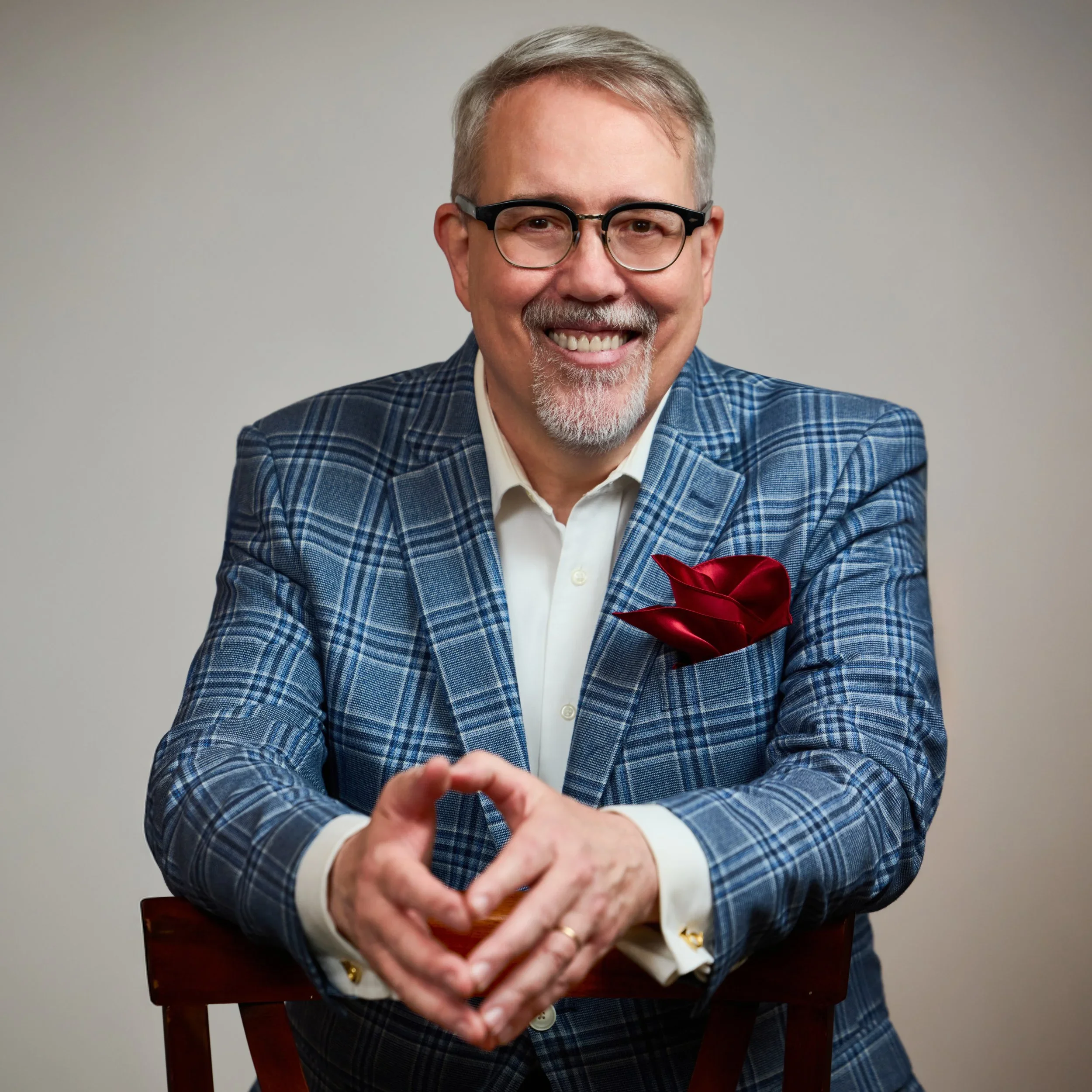
Take David Chase. He has so many credits that the short bio doesn't do justice when he's working in TV/film versus when he's working in theatre. So he has separate versions ready, and pulls the right one for each project.
-
David Chase has been Music Director, Music Supervisor, and/or Dance Arranger for 40+ Broadway productions. He has two Emmy Award® nominations for Music Direction for NBC’s live telecasts of The Sound of Music and Peter Pan, plus GRAMMY® and Olivier® nominations.
David has written multiple arrangements and orchestrations for the Boston Pops (including their signature “12 Days of Christmas”), The Kennedy Center Honors, Essential Voices USA, and Radio City Music Hall.
Television includes conducting, arranging, and orchestrating for The Marvelous Mrs. Maisel, Crazy Ex-Girlfriend, Schmigadoon!, The Gilded Age, and Étoile. David appeared onscreen in Season 5 of Maisel as the announcer and bandleader for ‘The Gordon Ford Show’.
Other conducting includes numerous film scores (recently: The Last Showgirl) as well as multiple productions at the Lyric Opera of Chicago. His choral arrangements are published by Hal Leonard.
David lives in New York City with his wife and Drama Desk nominee Paula Leggett Chase, and their two sons. Learn more at DavidChaseMusic.com. -
David Chase is a highly accomplished American musician with a four-decade career spanning film, television, theatre, concerts, and recording. (He is not the same David Chase who created The Sopranos, although they share the same name.)
Whether working as an Arranger, Conductor, Composer, Orchestrator, or Music Director, David is passionately dedicated to shaping music and performance in a way that takes the audience on a journey—marrying the emotional, visual, and aural experience into a complete storytelling whole.
With 40+ Original Broadway productions to his credit, David Chase’s work combines historical knowledge, a directorial understanding of character, and a thorough attention to detail to shape the musical score and the performances.
Notable Broadway productions include the original Side Show, Rodgers + Hammerstein’s Cinderella, Billy Elliot, and Nice Work If You Can Get It (for which he received a Grammy nomination), as well as acclaimed revivals of How to Succeed in Business Without Really Trying, The Music Man, and The Pajama Game. He is particularly proud of his work writing the dance music for Thoroughly Modern Millie, and in major revivals of Hello, Dolly!, Kiss Me, Kate, and Anything Goes (for which he received an Olivier nomination when it played London’s West End).
David was at the forefront of the return of LIVE television musicals with The Sound of Music Live! and Peter Pan Live!, earning Emmy nominations for Music Direction for both projects. Other recent TV work includes Schmigadoon! (Music Director and Arranger), The Marvelous Mrs. Maisel (Arranger/Orchestrator) and Crazy Ex-Girlfriend (Arranger/Orchestrator). David appeared onscreen as the bandleader and announcer for ‘The Gordon Ford Show’ in Season 5 of Maisel.
Recent film work includes conducting (The Last Showgirl); arranging and orchestrating (The Bride!, Todd Solondz’s Love Child, Joker: Folie à Deux); and supervising the film score recording (Spike Lee’s Highest 2 Lowest).
Boston Pops audiences know Mr. Chase for creating their highly celebrated version of “The 12 Days of Christmas.” David’s rendition has been hailed as the most successful Pops commission of the 21st century, and The New York Times has dubbed it “monstrously inventive”.
In the choral world, David is recognized as a prolific arranger and composer, often in collaboration with Judith Clurman. Their choral song cycle, Washington Women, has been featured on an NPR Tiny Desk concert, and his arrangement of “The First Noel” has been performed all over the world.
Mr. Chase also has longstanding associations with such storied institutions as The Kennedy Center, Radio City Music Hall, and Lyric Opera of Chicago.
David’s formal music training consisted of five years of piano lessons as a child. However, much to the chagrin of his classically minded teachers, he was much more interested in experimenting with playing his assigned pieces differently from the printed music, an early sign of where his life was headed.
At Carter G. Woodson High School in Fairfax, Virginia (formerly WT Woodson), David's theatrical interests began to emerge under the guidance of drama teacher Joan Bedinger. He performed onstage, designed sets and posters, and with Ms. Bedinger’s encouragement, began to arrange and orchestrate.
Chase attended Harvard University, where he majored in Biology with an eye toward becoming a doctor like his father. He nonetheless continued to perform onstage, notably in the Harvard Hasty Pudding Show, for which he also wrote music and occasionally lyrics. (Fellow Pudding performers include Breaking Bad’s Dean Norris and NPR’s Peter Sagal.) He also sang in the Harvard University Choir under the baton of John Ferris, whose passionate approach to shaping music as an emotional journey made a huge impression on him.
It was at his 1986 graduation ceremony that David heard a piece of advice from Harvard University President, Derek Bok: “Make the arts your first avocation”. Instead of following this well-intentioned but narrow-minded piece of advice, David decided instead to make the arts his first and only vocation.
For four years after graduation, David remained in Boston, singing with the University Choir and playing and arranging for Forbidden Broadway (where he developed the skill of playing the piano as if it were an orchestra). He also provided arrangements for Harvard a cappella groups such as The Krokodiloes, The Din and Tonics, and the Radcliffe Pitches.
In 1990, David moved to New York City, where he was hired as rehearsal pianist for the Radio City Rockettes, beginning a long association with the Music Hall. His first and only Broadway subbing experiences (as a pianist) were for Jerry Zaks’ Guys and Dolls and the Gershwin extravaganza, Crazy For You. It was at the Shubert Theater during Crazy For You that he began his most important lifetime collaboration with original cast member Paula Leggett. They were married in December 1992.
It was during this time that he met the brilliant Arranger and Music Director James Raitt, of Forever Plaid and Pageant fame. David had been working closely with James for several years when, in 1993, James asked David to be his Associate Music Director for a new revival of Damn Yankees at the Old Globe Theatre in San Diego. James, stricken like so many brilliant young men of his generation with AIDS, knew that his health was failing, and literally passed his baton to David to carry on his legacy. (James also hired Doug Besterman to make his Broadway debut as an orchestrator with Damn Yankees, thus starting a long and fruitful collaboration between David and Doug).
By the time the show came to New York in 1994, James’s illness had progressed to the point that he was only able to conduct the final dress rehearsal and two previews. He died six weeks later. David took over as Music Director, beginning a 20+ year Broadway conducting career. To this day, when David conducts, he only uses James’ baton. You can see David Chase and Doug Besterman in a feature on James Raitt and the AIDS crisis that was produced by 60 Minutes.
Today, Mr. Chase’s 40+ Broadway productions as Music Director/Supervisor and Arranger include Damn Yankees, the original Side Show, Little Me with Martin Short, Susan Stroman’s production of The Music Man, Flower Drum Song, The Pajama Game with Harry Connick and Kelli O’Hara, Bye Bye, Birdie, Billy Elliot: The Musical, How to Succeed… (starring Daniel Radcliffe and orchestrated by Doug Besterman), Rodgers + Hammerstein’s Cinderella, Finding Neverland, 1776, and Nice Work If You Can Get It, for which he received a Grammy nomination as a producer of the cast album.
As Dance Music Arranger, he has collaborated with a multitude of acclaimed choreographers, including Kathleen Marshall (the 1999 Kiss Me, Kate, The Pajama Game, Nice Work If You Can Get It, the 2001 Follies, Seussical: The Musical, and Anything Goes), Rob Ashford (Thoroughly Modern Millie, Frozen, Evita, How to Succeed…, Promises, Promises, Cry-Baby, Curtains, and The Wedding Singer), Rob Marshall (A Funny Thing Happened on the Way to the Forum), Casey Nicholaw (Elf, Tuck Everlasting), Robert Longbottom (Side Show, Flower Drum Song, Bye, Bye Birdie, The Scarlet Pimpernel), Warren Carlisle (Hello, Dolly!, the 2019 Kiss Me, Kate, and The Music Man with Hugh Jackman and Sutton Foster), Chris Bailey (Back to the Future), Peggy Hickey (Anastasia), Peter Darling (Billy Elliot: The Musical), Josh Rhodes (Cinderella) and Stephen Mear (The Little Mermaid). Productions for which David has written dance music have been nominated for 18 “Best Choreography” Tony Awards and won five.
In addition to transfers of many of his Broadway productions, recent London productions have included writing dance music for Disney’s Hercules and the 25th Anniversary production of Disney’s Beauty and the Beast. Mr. Chase also provided dance music arrangements for the West End revivals of Dreamgirls, the Donmar Warehouse Guys and Dolls (2005), and Evita (both in 2006 and 2025). He was nominated for a 2022 Olivier Award for his music arrangements for Anything Goes.
Outside of Broadway and the West End, additional productions include Follies and A Little Night Music in Tangier with Rob Ashford, I Can Get It For You Wholesale at Classic Stage Company, and The Bedwetter (Atlantic Theatre and Arena Stage).
David has worked three times at the American Repertory Theatre in Cambridge, Massachusetts: twice with Diane Paulus (Finding Neverland and 1776 in their pre-Broadway tryouts), and once as an undergrad when he played Maximilian in Candide in 1985. (In the same production, playwright Jonathan Tolins played Voltaire).
He has served as Music Director for several Lyric Opera of Chicago productions (Carousel, The King and I, and My Fair Lady) as well as special events (The New Classics: Songs from the New Golden Age of Musical Theater and Celebrating 100 Years of Bernstein).
He arranges regularly for The Kennedy Center Honors, including honorees Meryl Streep, Steve Martin, Jerry Herman, Shirley MacLaine, and the much-celebrated tribute to Barbara Cook.
In addition to his early years as a rehearsal pianist, he returned to Radio City Music Hall as Music Director for the 1996-2000 seasons, and continues to serve there as an Arranger.
When LIVE television musicals returned to the small screen (for the first time in five decades), David set the standard for the way the music was treated, thereby garnering Emmy Award® nominations for Music Direction of both The Sound of Music Live! and Peter Pan Live!. (He was also the Arranger, and, with Doug Besterman and Frank Wolf, Music Producer.)
He was Music Director and Co-Arranger (with Doug Besterman) for both seasons of Apple TV’s Schmigadoon! (which included the 2022 Emmy Award® winning song “Corn Puddin’”). He served as Dance Arranger for The Music Man (2003 TV Movie) with Matthew Broderick.
TV series work includes being Arranger and Orchestrator for three seasons of Crazy Ex-Girlfriend (including “Antidepressants Are So Not a Big Deal” which won the 2019 Emmy Awards® for Best Song and Choreography); three seasons of The Marvelous Mrs. Maisel (including “Your Personal Trash Man Can” which was honored with a 2023 Emmy Award® nomination for Best Song), and the Palladino’s next project about the contemporary ballet world, Étoile. David made his professional acting debut on Season 5 of The Marvelous Mrs. Maisel as the bandleader and announcer for ‘The Gordon Ford Show’.
Other TV: HBO’s miniseries Love and Death (Choral Arranger and Conductor), MGM+’s American Classic (Music Consultant and Arranger), plus arranging and orchestrating songs for single episodes in a wide variety of TV programs including The Gilded Age, And Just Like That…, American Horror Story, We Were the Lucky Ones, Future Man, Goliath (“Painkiller” by Adam Schlesinger), and Halston.
David Chase has conducted numerous film scores, including The Last Showgirl, The Kitchen, and A Quiet Place Part II. He is the Score Supervisor for Spike Lee’s 2025 feature film, Highest 2 Lowest. His arrangements and orchestrations can be heard in Joker: Folie à Deux (“To Love Somebody”), the Bobby Darin biopic Beyond the Sea, Todd Solondz’s Love Child, and Maggie Gyllenhaal’s The Bride!
The state of Virginia commissioned David to compose a fanfare for Virginia’s 250th Anniversary. For flautist and fellow Woodson High School grad Janet Axelrod, David composed the humorous tour-de-force, “Jump Scher(z)”. For three years, he was the Director and Lyricist for the annual gala of The World Science Festival.
Chase has done multiple arrangements for the Boston Pops and the Tanglewood Festival Chorus, including their signature holiday hits, “The 12 Days of Christmas” and “Home for the Holidays”, as well as a Boston-specific version of “Take Me Out to the Ballgame”. His lyrics (most of them parodies) have been featured by the Pops over the years, including a version of “The Wellerman Song” sung by the Dropkick Murphys for a Mother’s Day special, and a celebration of Keith Lockhart’s 30th Anniversary to the tune of Sondheim’s “I’m Still Here”. He was Arranger and Music Director for several telecasts of Evening at the Pops, as well as for a staged concert of On the Town (helmed by frequent collaborator Kathleen Marshall).
His choral work for Judith Clurman and Essential Voices USA includes the original song cycles Washington Women (which was featured on NPR’s Tiny Desk Concerts) and Appalachian Stories (with fiddle player Tessa Lark). His arrangements of “The First Noel”, “Eight Days of Light”, and many others have been performed at Carnegie Hall and throughout the country by numerous choirs and orchestras. His choral works are published by Hal Leonard.
David is dedicated to sharing his knowledge about the history and practice of music in the theatre. He’s taught masterclasses for NYU, Berklee, Harvard, CCM, Elon, Jacob's Pillow, ASMAC, and many more.
He is proud to both celebrate and carry on the tradition of the great Dance Music Arrangers of the American Musical Theatre, particularly Trude Rittman, Genevieve Pitôt, and Peter Howard, without whom the Broadway musical could not exist.
David lives in New York City with his wife, actress and Drama Desk Award nominee, Paula Leggett Chase, and their two sons, Kyler and Dashiell.
Learn more at DavidChaseMusic.com.
-
David Chase is a highly accomplished American musician with a four-decade career spanning film, television, theatre, concerts, and recording.
Television work includes conducting, arranging, and orchestrating for The Marvelous Mrs. Maisel, Crazy Ex-Girlfriend, Schmigadoon!, The Gilded Age, Étoile, and the upcoming American Classic.
David appeared onscreen in Season 5 of Maisel as the announcer and bandleader for ‘The Gordon Ford Show’. Film work includes conducting (The Last Showgirl) and arranging and orchestrating (The Bride!, Joker, Folie à Deux).
David has worked on over 40 original Broadway productions, with an emphasis on writing dance music. Other notable arranging and orchestrating credits include The Boston Pops (including their signature “12 Days of Christmas”), The Kennedy Center Honors, and Radio City Music Hall. Choral works published by Hal Leonard.
David lives in New York City with his wife and Drama Desk nominee Paula Leggett Chase, and their two sons. Learn more at DavidChaseMusic.com.
Photo: JJ Ignotz
A full biography for IMDb is different from a 50-word bio for Hal Leonard. Customize as needed for the context, but maintain default versions in your press kit so you're not rewriting from scratch every time.
Make as many bios as you want. As long as they're ready for download on your site, you're not constantly rewriting them — you're only editing in one place, and when requested, you can point people to your website.
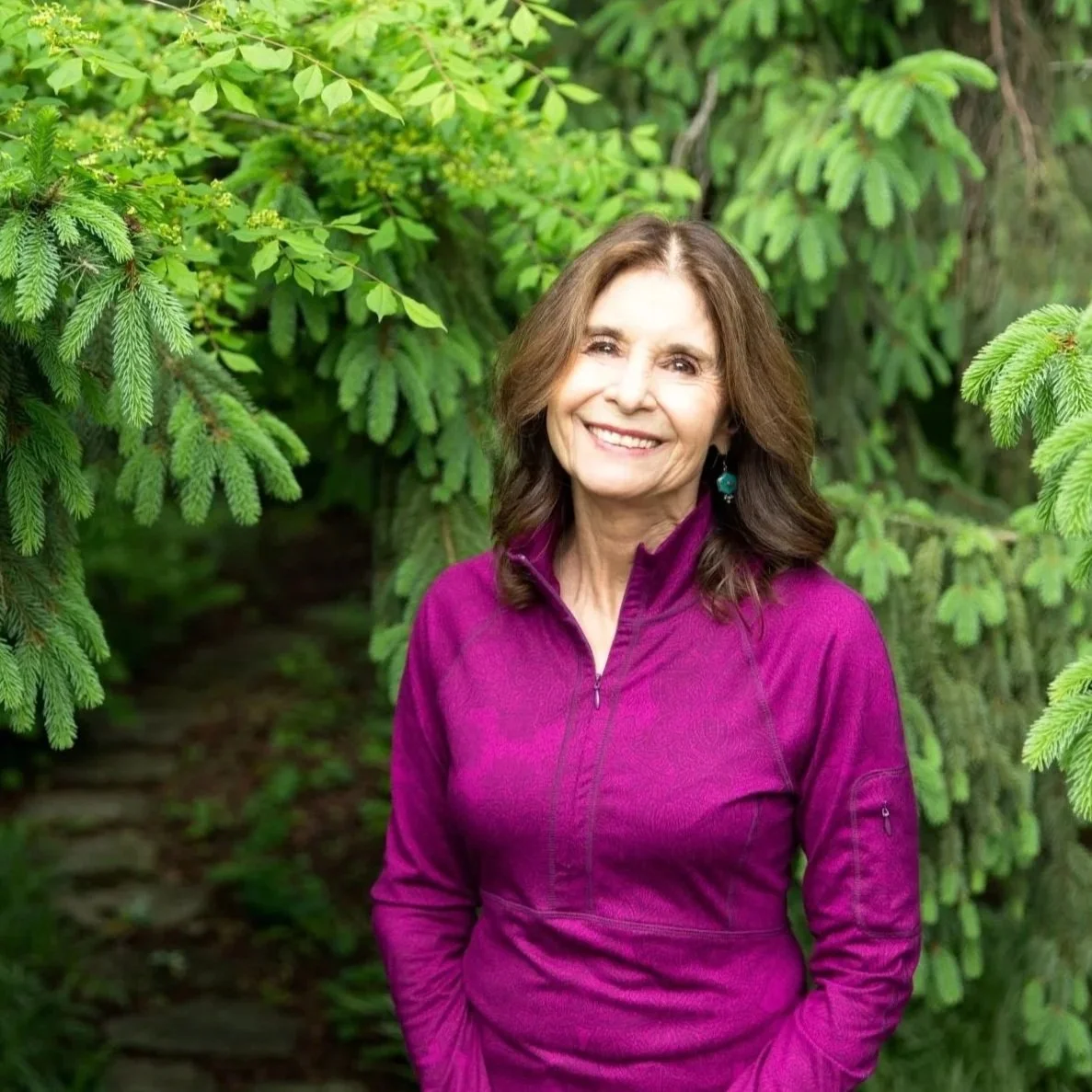
For another great example of this, take a look at author Dale M. Kushner. She has different character-count versions of her bio ready to go. I recommend creating multiple lengths so you have one ready for any word count.
-
Dale M. Kushner is an award-winning American novelist, poet, and essayist with training in Jungian depth psychology and an MFA in Creative Writing. Learn more at DaleMKushner.com.
-
Dale M. Kushner is an award-winning American novelist, poet, and essayist.
With an MFA in Creative Writing and training in Jungian depth psychology at the C.G. Jung Institute in Switzerland, Dale has a passion for exploring the intersection of dreams, creativity, and transformation, and a deep interest in transgenerational trauma. Her work has appeared widely in journals and anthologies, and she has been featured in international conferences and documentaries.
Dale’s work bridges art and science, offering readers a guide through the labyrinth of the unconscious with wisdom and empathy. She believes that individual growth and transformation can inspire broader societal healing and is honored to be considered a compelling voice in contemporary literature and psychological insight.
Dale’s latest book, Wild Freedom: The Princess Who Found Her Name — On Fairy Tales, Imagination, and the Creative Mind, will be published in May 2026 by Chiron Publications and is a hybrid work of fairy tale, memoir, and reflection that explores imagination as a vital psychological and spiritual practice.
She is also the author of the popular Psychology Today column “Transcending the Past,” which brings together art, psychology, and science.
Dale’s debut novel, The Conditions of Love, was nominated for the Texas Library Association Award for Outstanding Adult Fiction. Her most recent poetry collection M received Special Mention in the Pushcart Prize 2024.
Dale M. Kushner and her husband live in Madison, WI. with their Golden Retriever, Maisie. Learn more at DaleMKushner.com.
Photo Credit: Burt Kushner
4. Visual Biography (Show, Don't Tell)
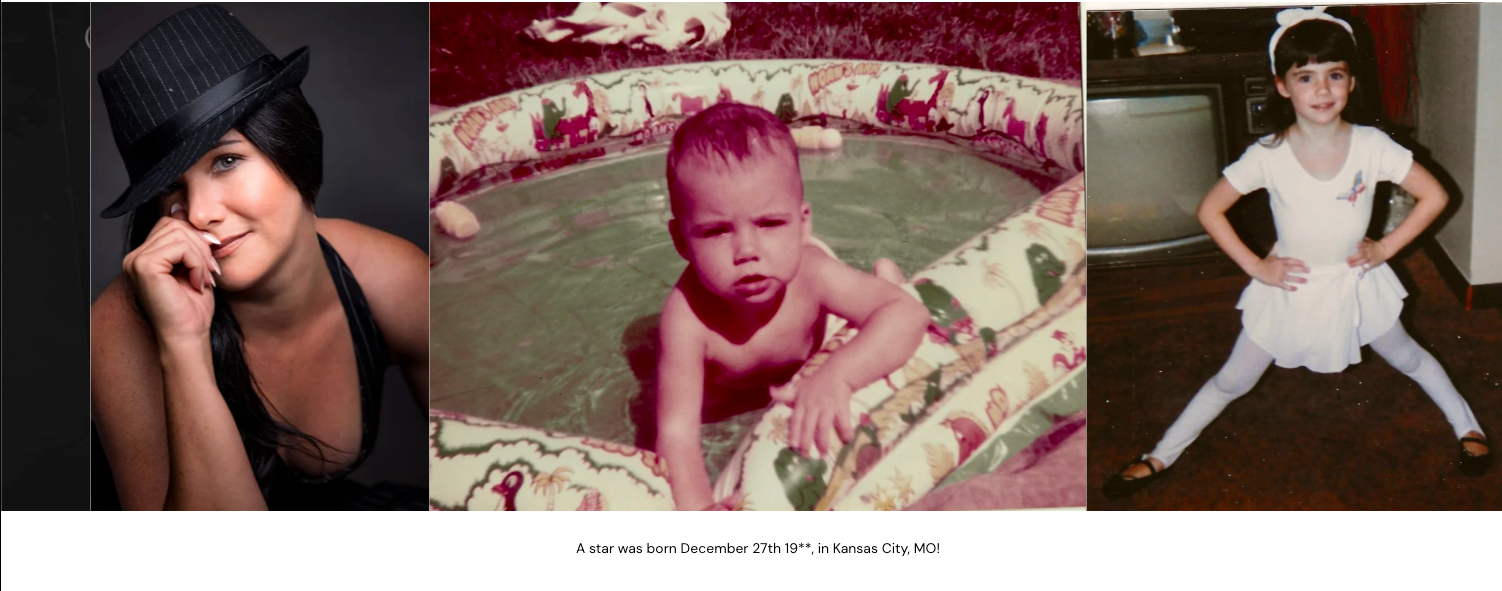
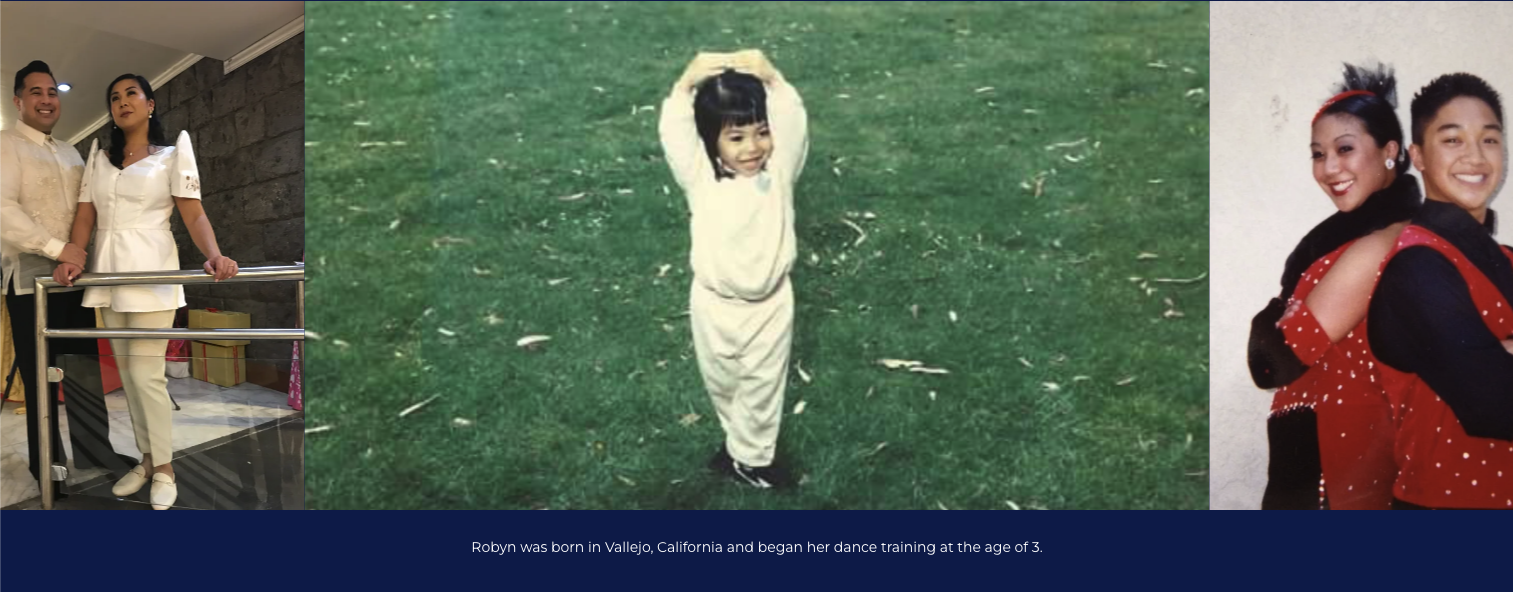
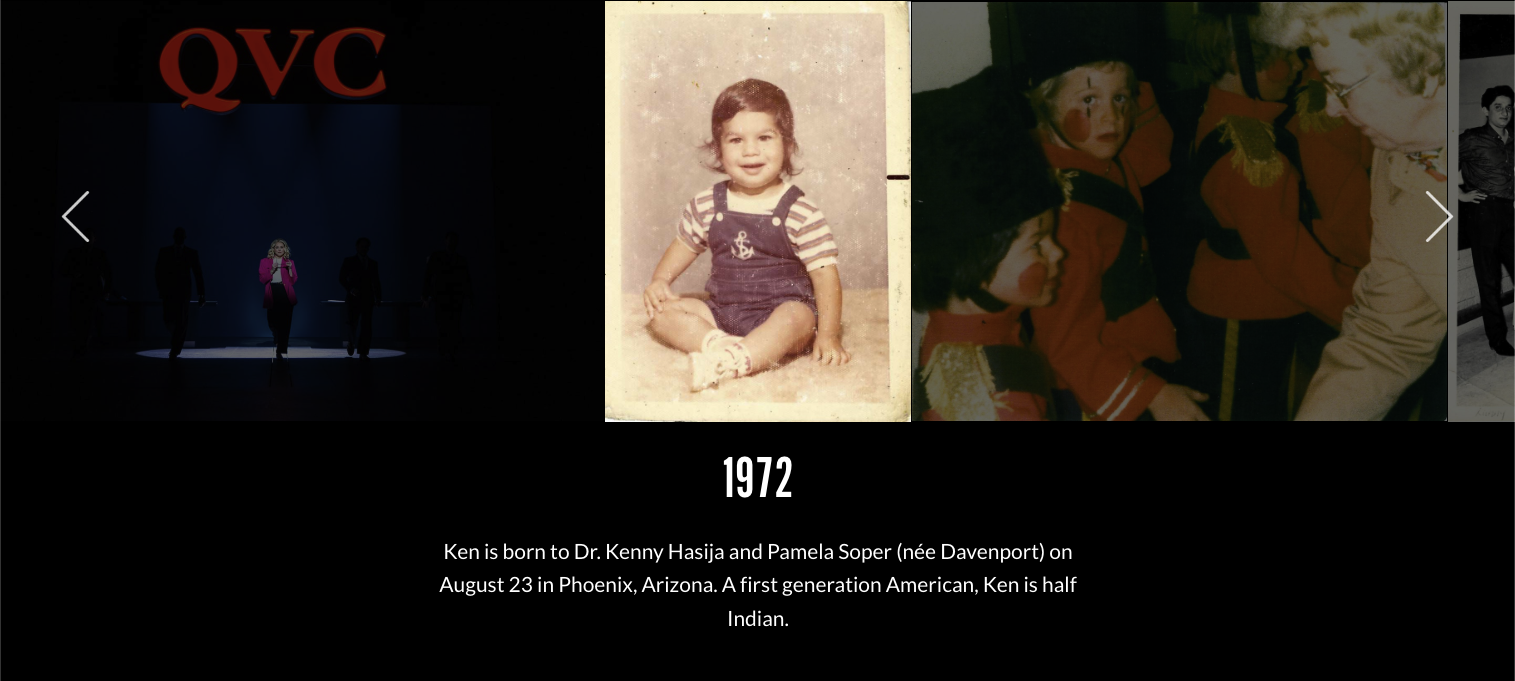
Most people won’t read a long biography on your website. But they will click through fun throwback photos that tell your story!
Consider showing us your journey through images:
Early years and education
Your first big break
Major productions (one image or GIF per show!)
Awards and recognition moments
Personal moments — wedding, family, travel
Each photo gets one sentence as a caption. Let your audience fall in love with your story visually before you ask them to read paragraphs.
Shown below are brilliant examples from Natalie Charlé Ellis, Robyn DeGuzman, and Ken Davenport.
5. Social Media Bios (First Impression)
By this point, you have a full biography, a short bio, medium versions, and a visual journey. The last piece is your social media bio.
This is what people see when they Google you. Your one-sentence answer to "what do you do?"
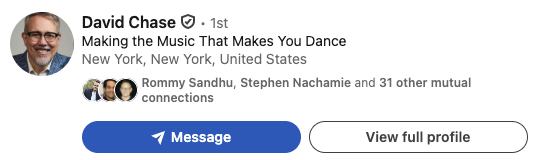
I try to weave in credibility and personality. It gives people a reason to care and helps them connect with you. How can you summarize your short bio into one or two short lines? A social media bio is usually in first person (I/me) instead of third person (she/her), but keep second person in mind (you/us/we).
For a great example, look at David Chase.
The Process
(How To Actually Do This!)
Fight past writer’s block. Consider bullet points or recording a conversation about your life and career with a friend. Transcribe it, then edit.
Write long, then shorten. Get your full biography written so you know what to highlight in the shorter, visual, and social versions.
Get help! Lean on your team for this. Want our help getting these dialed in and living on your site as a proper EPK? Schedule a free discovery call and let's discuss your options.